If your usual dose stopped doing anything, you are not imagining it and you are not broken. You are experiencing a well documented adaptation, and the fix is not a bigger dose.
What tolerance actually is
Caffeine works by blocking adenosine receptors. Adenosine builds up while you are awake, and when it binds to those receptors you feel tired. Caffeine parks in those receptors without triggering them, so the tiredness signal gets muted.
Your brain notices the interference and compensates by building more adenosine receptors. This is called upregulation. With more receptors available, the same dose of caffeine now blocks a smaller share of the total, so you feel less from it.
Worse, all those extra receptors are still there when caffeine wears off, which is a large part of why withdrawal headaches and heavy fatigue feel so disproportionate.
The trap
The natural response is to take more. That works briefly, then prompts further upregulation, and the cycle repeats at a higher dose with more side effects. People end up at 600mg a day feeling roughly how 100mg used to make them feel, while sleeping worse, which increases the fatigue that caffeine is being used to mask.
Realistic reset timelines
Reported timelines vary because the research and the self-reports do not perfectly agree. A reasonable summary:
- 3 to 7 days: many people notice sensitivity returning.
- 7 to 14 days: commonly described as a full perceptual reset for regular daily users.
- Several weeks: receptor density normalization is slower than the perceptual change, and some sources put full normalization considerably further out.
Expect withdrawal in the first 2 to 5 days if you quit abruptly: headache, fatigue, irritability, poor concentration. It is unpleasant and it passes.
Taper instead of quitting cold
Cutting your intake by roughly a quarter every few days is far more tolerable than stopping outright, and most people actually complete it. A full stop is faster but has a much higher abandon rate because day three is genuinely miserable.
Better than resetting: do not build it
Tolerance is driven by consistent daily exposure. The practical strategies are unglamorous but effective:
- Use it deliberately, not by default. On the shift or session that needs it, not automatically every morning.
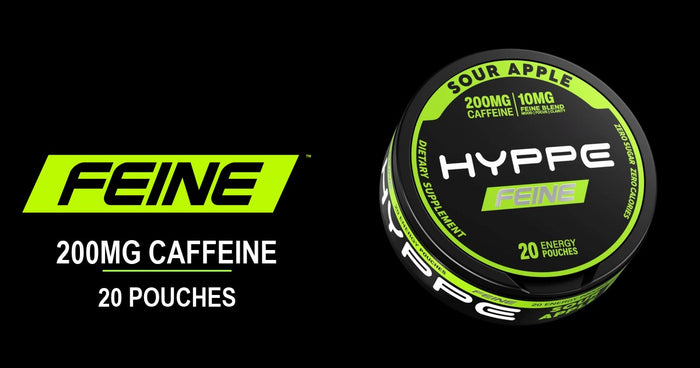
- Keep the dose fixed. A pre-measured serving makes creep obvious. This is one genuine advantage of a fixed 200mg pouch over an open pot of coffee, where intake drifts upward without you noticing.
- Take days off. Even one or two caffeine-free days per week meaningfully slows adaptation.
- Protect sleep. Nothing accelerates a tolerance spiral faster than using caffeine to paper over short sleep.
The uncomfortable part
If you need caffeine simply to reach normal, the problem is usually not the caffeine. It is sleep debt, and no dose fixes that. Caffeine is a tool for making a demanding day sharper, not a replacement for rest.
References
Fredholm BB, Bättig K, Holmén J, Nehlig A, Zvartau EE. Actions of caffeine in the brain with special reference to factors that contribute to its widespread use. Pharmacological Reviews.
Juliano LM, Griffiths RR. A critical review of caffeine withdrawal. Psychopharmacology.
Evans SM, Griffiths RR. Caffeine tolerance and choice in humans. Psychopharmacology.
Sigmon SC, et al. Caffeine withdrawal, acute effects, tolerance, and absence of net beneficial effects of chronic administration. Psychopharmacology.
FEINE energy pouches contain 200mg of caffeine plus L-theanine. Tobacco free and nicotine free. Not intended for anyone under 18, or for people who are pregnant, nursing, or sensitive to caffeine. Research cited here was conducted on the individual ingredients at comparable doses, not on the finished FEINE product. Individual results vary. These statements have not been evaluated by the Food and Drug Administration. This product is not intended to diagnose, treat, cure or prevent any disease.
TRY IT FOR YOURSELF.
200mg caffeine and L-theanine. 20 pouches per can. Zero sugar, zero nicotine.
SHOP FEINE